
A New Definition of Diamond, Born in Alishan
Alishan Diamonds represent "Abundance", "Commitment", and "Eternity"!
For centuries, people have attempted to synthesize diamonds (lab-grown diamonds, future diamonds, tech diamonds, eco-friendly diamonds). After countless failures, diamonds were finally synthesized in a laboratory during the last century. Currently, there are two methods for synthesizing gem-quality diamonds: High Pressure High Temperature (HPHT) and Chemical Vapor Deposition (CVD). Synthetic diamonds and cultivated diamonds are simply alternative terms for lab-grown diamonds.
20
+ Years
Rich Experience
4,000
+ Cases
Successful Projects
30
Members
Professional Team
Categories

Beside Alishan...… lies a rustic village.
Here, a group of dedicated young people, filled with a passion for "diamonds," dream of captivating the world with them.
Just like their ancestors who once braved the ocean crossing from Tangshan to Taiwan in pursuit of a beautiful dream and a better future.
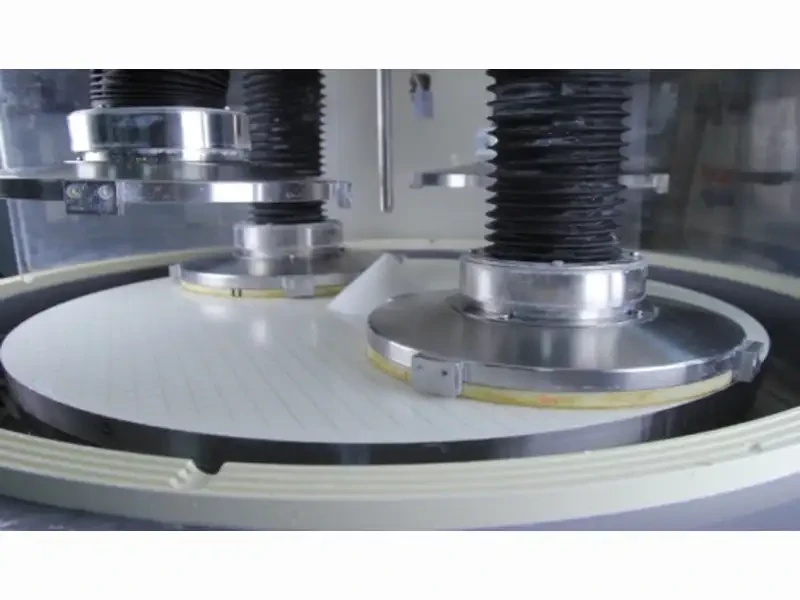
these young people utilize high-tech equipment combined with local natural resources—beautiful mountains, pristine water, sunshine, technology, and time—to nurture brilliant, dazzling diamonds. We call them "Alishan Diamonds".
Hot Products
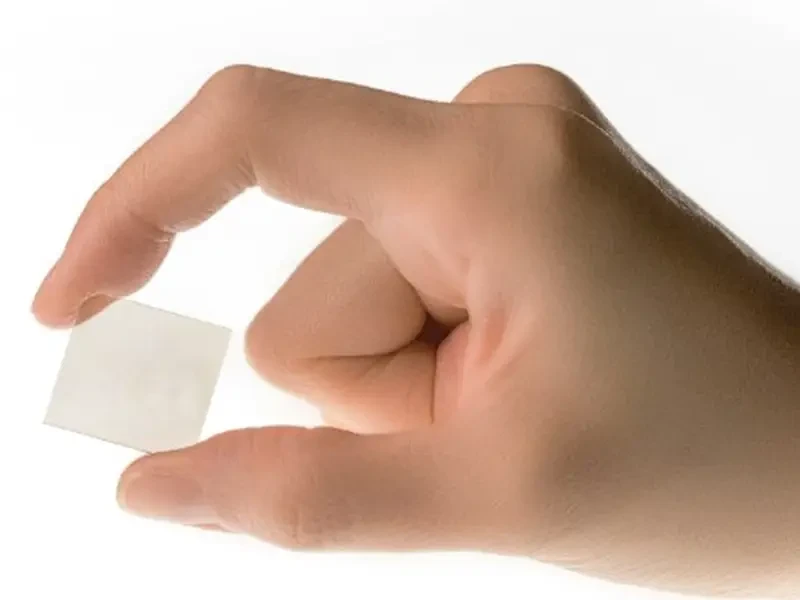
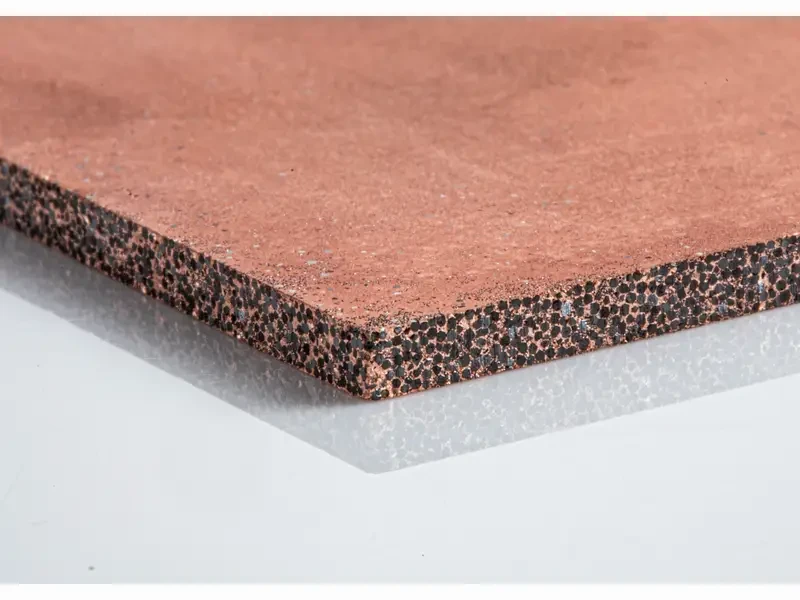
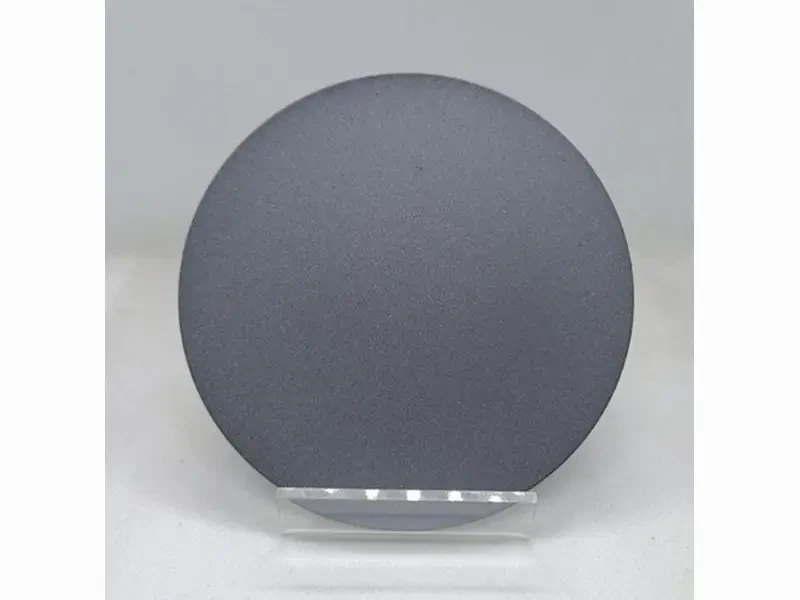
TAIWAN : I 771779
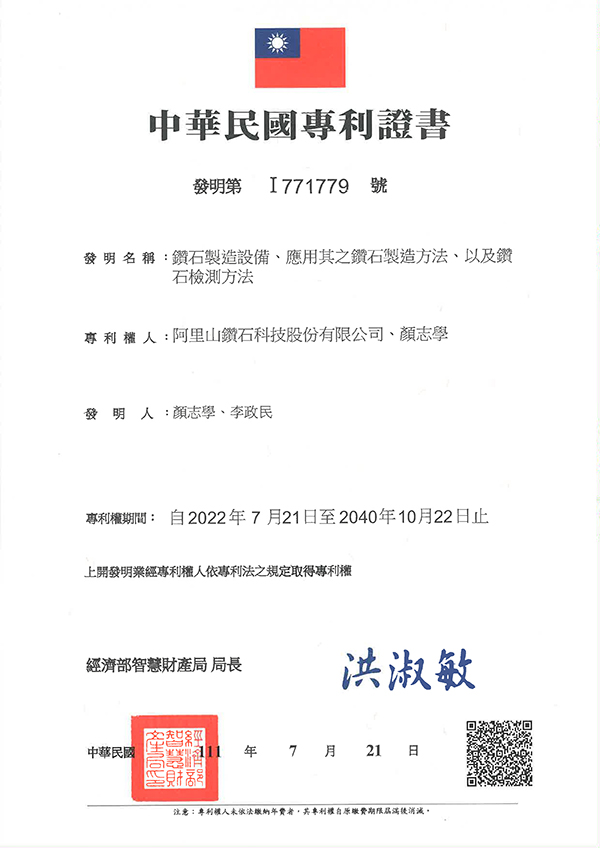
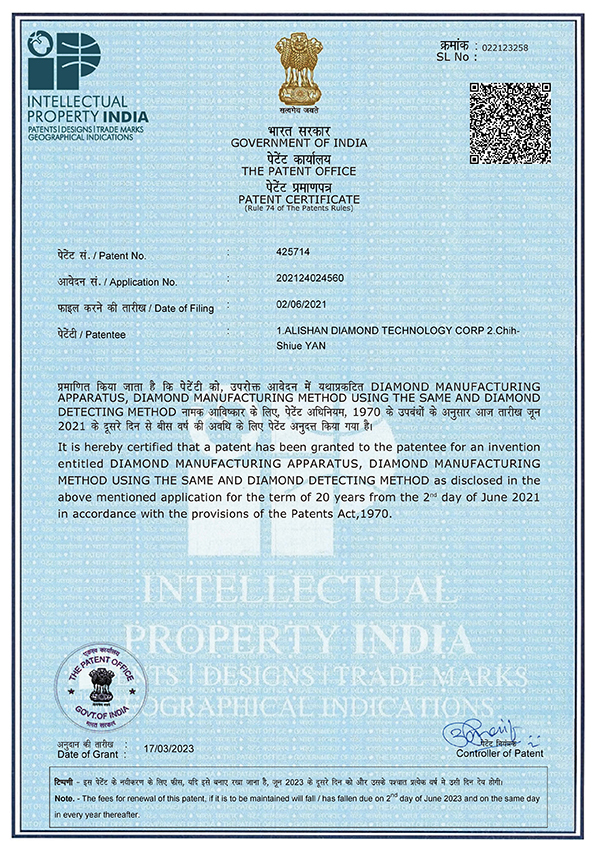
INDIA : 425714
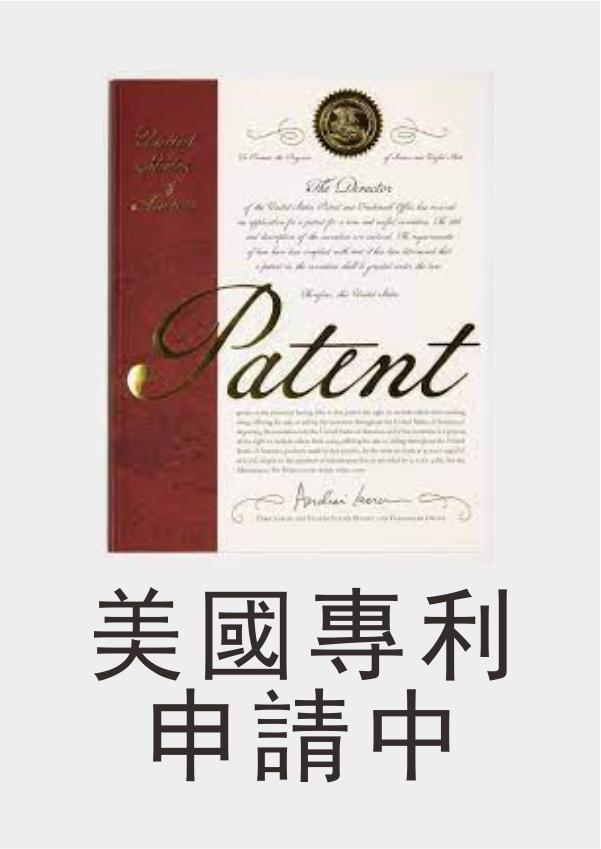
Application in progress
News

Company Profile
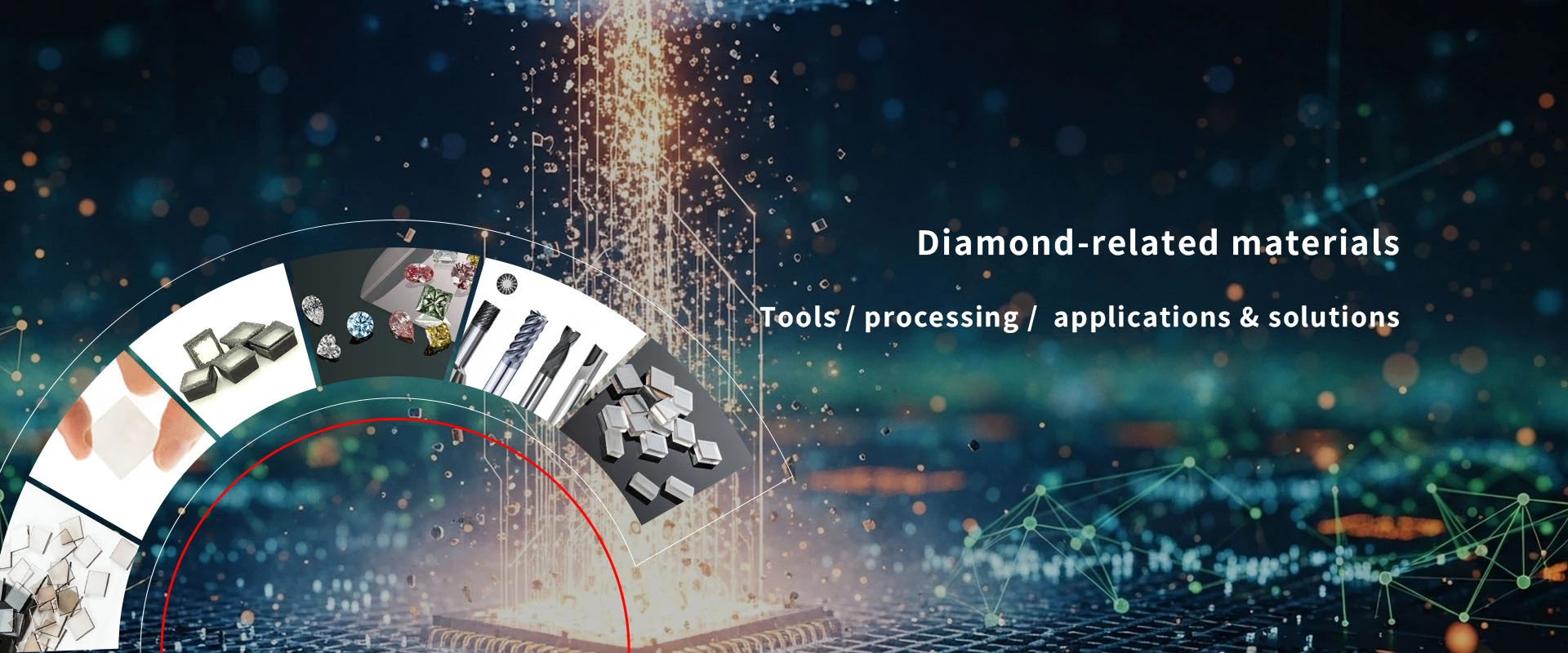
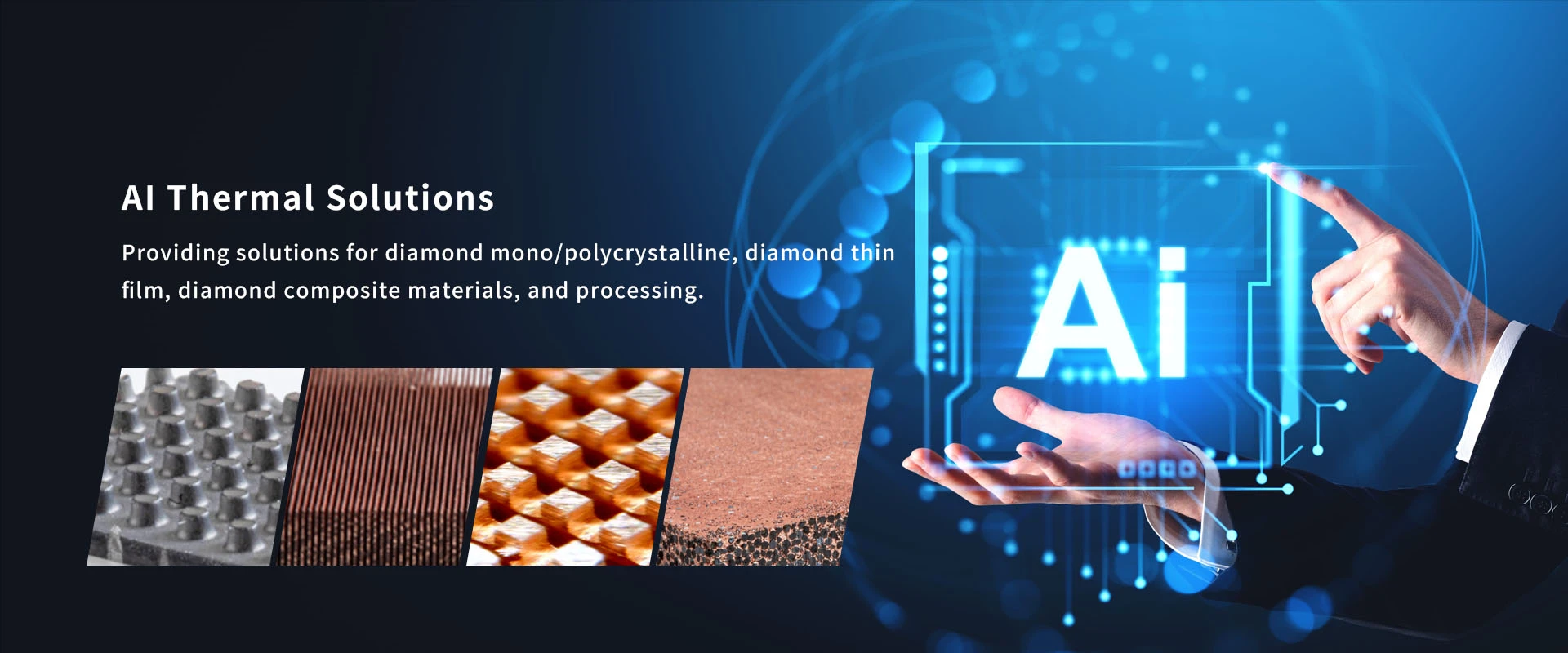
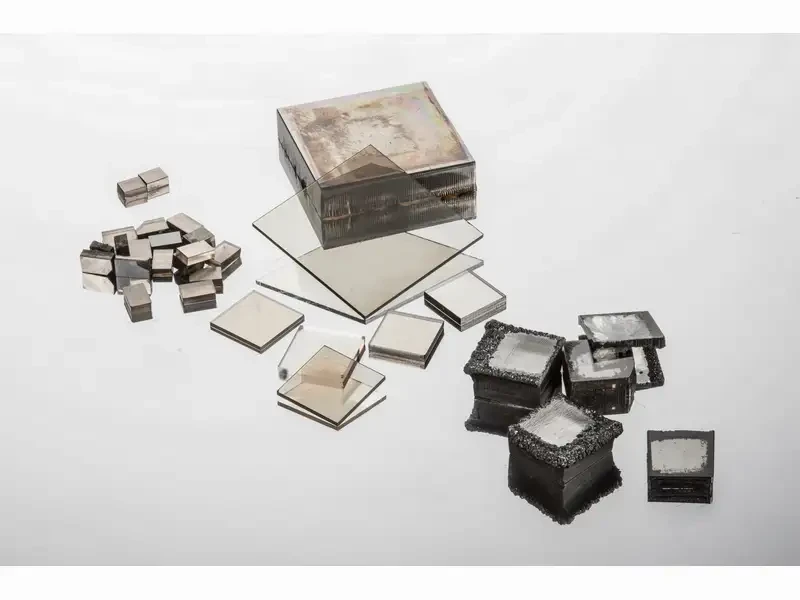
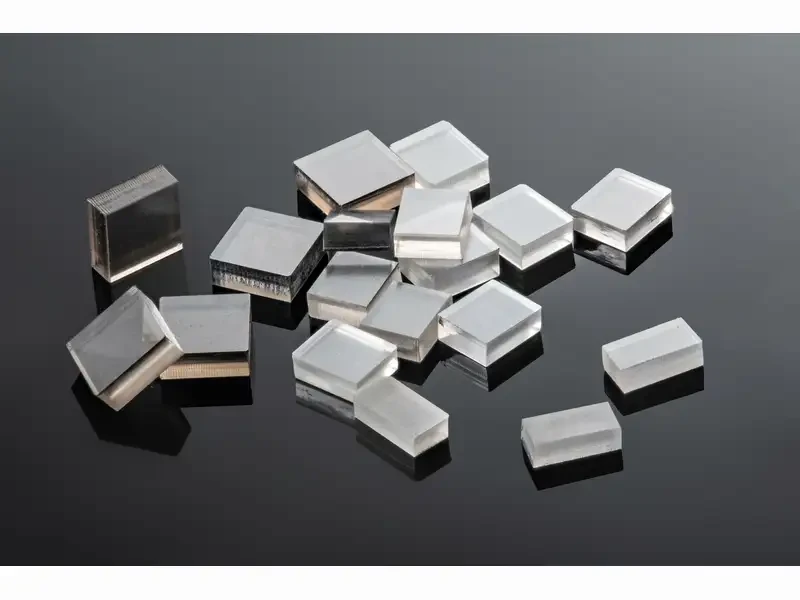
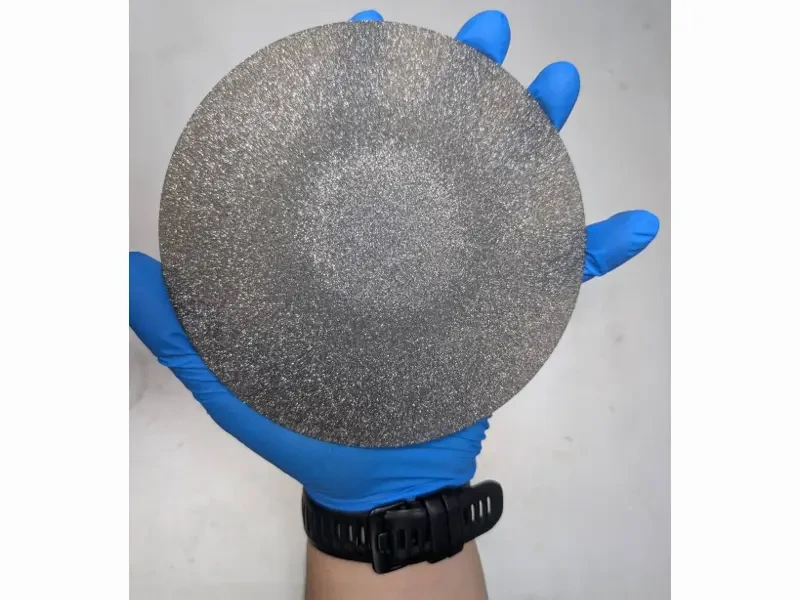
Alishan Diamond’s product range includes gem-quality rough diamonds, CVD seed crystals, tool blanks, diamond substrates, window plates, copper-diamond composite plates, and patterned diamonds. These products are widely used in semiconductor package thermal management, laser and optoelectronic systems, quantum technology, precision tools, aerospace and defense, as well as medical and jewelry applications.
2026-08-24
2026 semicon Taiwan
Exhibition venue: Taipei Nangang Exhibition Center, Hall 1 | No. 1, Jingmao 2nd Rd., Nangang District, Taipei City 115, Taiwan Booth: I3222
Exhibition dates: 2026/09/02 (Wed) to 2026/09/04 (Fri) Exhibition hours: 10:00-17:00
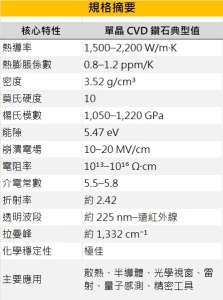
Introduction to Diamond Properties
Diamond is a crystal composed of carbon atoms bonded through sp³ covalent bonds. Although its elemental composition appears simple, it gives rise to a range of physical and chemical properties that are virtually unmatched in nature. For this reason, diamond has long surpassed its traditional role as a jewelry material and has become a key material attracting intensive R&D investment across high-tech industries such as semiconductors, optoelectronics, and precision manufacturing. The following sections explore diamond’s unique characteristics from several core perspectives.
2026-08-24
Q & A
Diamond, also known as adamant, is primarily composed of carbon and often contains small amounts of silicon, aluminum, calcium, magnesium, iron, nitrogen, or boron. Diamond belongs to the cubic crystal system. Each carbon atom forms strong covalent bonds with four other carbon atoms, creating a crystal structure composed of octahedral frameworks of carbon atoms. It is exceptionally hard, with a Mohs hardness of 10—the hardest naturally occurring substance and rightly known as the “king of hardness.”
2026-08-03Contact Us
If you have any questions, please feel free to contact us.

